down-arrow

Bright Ideas: How to Light Up Outdoor Events This Winter

As the nights draw in and temperatures drop, the magic of winter events begins to shine…literally. From Christmas markets and outdoor concerts to festive parties, great lighting can transform any outdoor event into an unforgettable experience. But when you’re working with shorter days, colder weather, and outdoor elements, it takes smart planning to make sure your lighting is not only beautiful but also safe and reliable.

Here are some bright ideas to help you light up your outdoor events this winter.

1. Start with a Lighting Plan

Before hanging a single bulb, map out your space. Think about how guests will move around the venue and where the key visual and functional areas are – entrances, walkways, seating areas, bars, and stages. Identify the areas that need practical illumination for safety, and where you want to create atmosphere or highlight features.

At Beagle Create, we often start with a site recce to understand the layout, power access, and potential lighting challenges. It’s all about balancing ambience with functionality, ensuring guests can see where they’re going, but still feel immersed in the event environment.

2. Choose the Right Fixtures for the Job

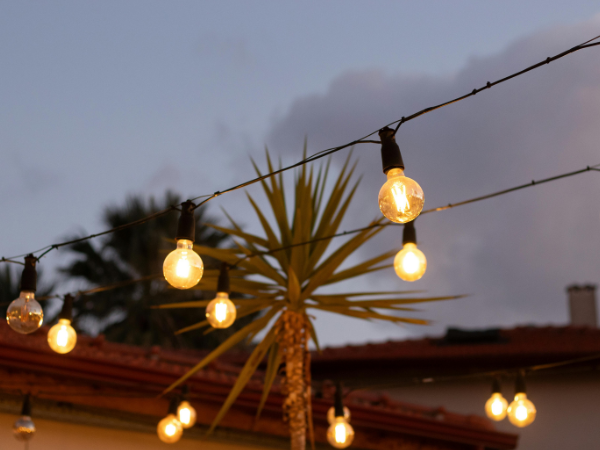
Outdoor winter lighting needs to be robust, weatherproof, and reliable. Look for IP-rated fixtures designed for outdoor use to protect against rain, frost, and moisture. LED lighting is the go-to choice. It’s energy-efficient, low heat output, and available in a wide range of colours and styles. Festoon lights and uplighters add warmth and atmosphere, while floodlights or spotlights can accentuate key structures or areas.

3. Power and Cabling – Keep It Safe

Safety always comes first, especially outdoors. Power cables should be properly rated for external use, raised off the ground where possible, or covered using outdoor-grade matting or cable ramps to avoid trip hazards and water ingress.
Generator power can be a great solution if the site doesn’t have sufficient mains supply.

When using generators, make sure they are positioned in a well-ventilated area, away from guests, and noise-controlled if near public spaces.

Create a complete power plan for outdoor sites to ensure that lighting and AV can all run seamlessly without overloading circuits or compromising safety.

4. Design for Impact

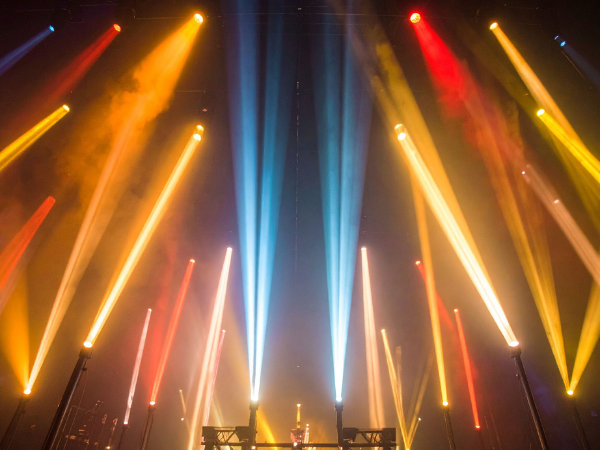
Lighting isn’t just practical, it’s emotional. The right lighting design sets the tone for your event and can completely transform a space. Coloured washes can create warmth in an otherwise cold outdoor setting. Dynamic lighting sequences – fading, chasing, or synchronised with music – can elevate your event atmosphere.

For festive events, consider adding texture and depth with projection mapping or moving lights that play across trees, buildings, or festive backdrops.

5. Test, Test, and Test Again

Outdoor conditions can be unpredictable, so test your setup thoroughly. Allow enough time before your event to check every fixture, cable, and power connection. Run everything as it will be used on the day, in the dark and in the cold, to make sure your design delivers exactly what you want.

Outdoor winter events come with their challenges, but the rewards are huge. With the right planning, design, and technical expertise, lighting can completely transform a space and create unforgettable experiences for your guests.

Taking Your Event Outdoors: What You Really Need to Know

Outdoor events can be magical, fresh air, beautiful scenery, and a sense of freedom that indoor venues just can’t offer. But they also come with a unique set of challenges that, if not carefully planned for, can quickly dampen the experience (and not just because of the unpredictable British weather).

Whether you’re organising a rustic village fete or a full-scale festival, here are the essential things to consider when taking your event outside.

What Type of Event Is It?

A beach wedding will have very different requirements to a motorsport display or a music festival. Think beyond the aesthetics and consider the location’s suitability for staging, sound, power, and audience comfort. It’s about more than just the view, it’s about the infrastructure.

Powering Up

Most outdoor locations won’t have a handy plug socket where you need it, so you’ll likely be relying on generators to power everything from lights and sound to catering and toilets.

Key questions to ask:
• Where will the generator be placed?
• How much power do you need and for how long?
• How will the generator be delivered and refuelled?

Sustainable alternatives are also worth considering. Battery-powered systems and even solar-charging solutions are becoming increasingly viable, especially for short-term or low-power events in remote areas.

Site Access and Logistics

Access is everything. How will staff, equipment, and deliveries get in and out of the site? Are there any height, weight, or time restrictions? It’s also vital to consider your attendees:
• Is the site accessible for people with disabilities?
• Are there nearby public transport routes?
• Is there adequate car parking?

Outdoor doesn’t mean unregulated, accessibility should be a priority for any public event.

Storage in the Elements

Storage is a logistical headache at the best of times, and when you add rain, wind, or uneven ground into the mix, it becomes even trickier. Outdoor equipment must be properly protected, and anything left onsite overnight needs to be weatherproof and secure.

Outdoor Structures and Terrain

Temporary structures like marquees, big top tents, and stages all come with rules and regulations, including limits on how long they can remain in place. They must also be tested, safe, and fit for purpose.

And don’t underestimate the terrain. What looks flat might not be, and levelling ground takes time and materials. Always start from the highest point and work from there.

Permission and Neighbours

Outdoor events typically need approval from either a landowner or the local authority. This may involve public consultation, especially where noise, road use, or late-night finishes are concerned. You might also need a Noise Management Plan, and in some cases, onsite monitoring is a requirement, especially in residential areas.

Utilities and The Essentials

We take a lot for granted indoors ; water, toilets, bins, even mobile signal. Outside, you’ll need to plan for:
• Toilets and showers
• Drinking water
• Grey water and waste disposal
• Internet and phone signal
• Cable routing (spoiler: gaffa tape doesn’t work on grass!)
• Pest control
• Temporary roadways and lighting
• Staff welfare, catering, and shelter

Safety and Emergency Planning

Safety comes first, always. Just as you’d expect a building to have a fire alarm and evacuation plan, outdoor spaces need robust emergency procedures. You should always know:
• Where the nearest hospital is
• How to communicate in an emergency
• Where your muster points and fire extinguishers are located

Environmental and Location Hazards

Every site is different. You might be near water and need a water safety plan, or in a forested area that requires insect protection. Are you working at night? You’ll need proper work lighting. During the day? Shade and hydration.

Weather Prep

And of course, there’s the weather. British summer can be glorious but also wildly unpredictable. Plan for every eventuality:
• Hot: water, shade, sunscreen, regular breaks
• Cold: shelter, warm clothing, extra layers
• Rainy: waterproof clothing, dry spaces, backup plans
• Windy: reinforced structures, safety signage, delays

Individually these weather factors are manageable. But when you get two or three at once? That’s when planning really pays off.

Everything outdoors takes longer. Everything is further away. It always requires more equipment, more time, and more sweat. Outdoor events are rewarding and unforgettable but only if they’re properly prepared.

So whatever kind of event you’re planning, remember: Plan, plan, and plan some more. You can never be too prepared.

Top 5 Tips for Choosing the Right Production Company

Choosing the right production company can make or break your event. Whether you’re planning a small corporate conference or a large-scale awards night, the production partner you choose needs to be reliable and aligned with your vision.

The industry is broad, and while there are some fantastic teams out there, not every company operates to the same standard. So, how do you sort the best from the rest? Here are our top five tips to help you find a production company that’s right for you.

Review Their Work

A strong portfolio is an obvious win, but don’t just flick through the pretty pictures. Look for variety. Have they delivered different types of events and are they showing a range of styles and creative approaches? A good production company treats each project as unique, not just a copy-and-paste version of the last event.
Treat the process like a job interview, so don’t be afraid to ask the difficult questions. What’s gone wrong before and how did they solve it? Production is all about handling pressure and problem-solving, and the best companies won’t shy away from sharing how they overcome challenges.

Check Their ‘Street Cred’

A credible production company should have visible partnerships, accreditations, and industry recognition. Look at who they’ve worked with – venues, hotels, agencies – and whether they’re members of professional bodies such as PLASA (Professional Lighting and Sound Association). These are signs that they’re invested in doing things properly and safely.

Take a look at their website, social media, and reviews. Does it all align? Consistent branding, regular updates, and client feedback are all indicators of a company that takes pride in its work. While you’re at it, check their insurance details and health & safety policies. Reputable companies will have everything up to date and ready to share!

Are They Relevant to Your Event?

A slick-looking company might be impressive, but are they the right fit for your brief? Ask for examples of events similar to yours. You want a team who understands your world and understands what you are trying to achieve. The best production companies will be able to show how they’ve delivered for similar clients , talk with confidence and offer insight into how they’d approach your project specifically.

Trust Your Gut

This one’s simple but powerful. How do they make you feel? When you speak to the team, are they listening? Are they instilling confidence? Do you feel they get it? At Beagle Create, we often say people buy from people. That’s especially true in events, where trust and communication is key. The best outcomes happen when clients and suppliers gel. Trust your instincts when choosing who to work with.

Understand the Price – and the Value

Pricing is important, but context is everything. If a quote feels surprisingly cheap, ask why. Are all the elements included? Are you getting the quality of finish and detail your event deserves? Equally, if something feels expensive, question that too. Are they delivering value in ways you didn’t consider such as better design, faster turnaround, on-site support? Good production companies will be transparent, detailed, and won’t hit you with surprise extras. Take time to reflect, ask questions, and make sure everything is covered up front.


Looking for a production company that suits you is about more than just kit and crew. It’s about trust, professionalism, creativity, and collaboration. Take your time and look for a team that goes beyond ticking boxes.

Need a hand? We’d love to chat about your next project.

Outdoor Cinema – Long Term Outdoor Screen Rental

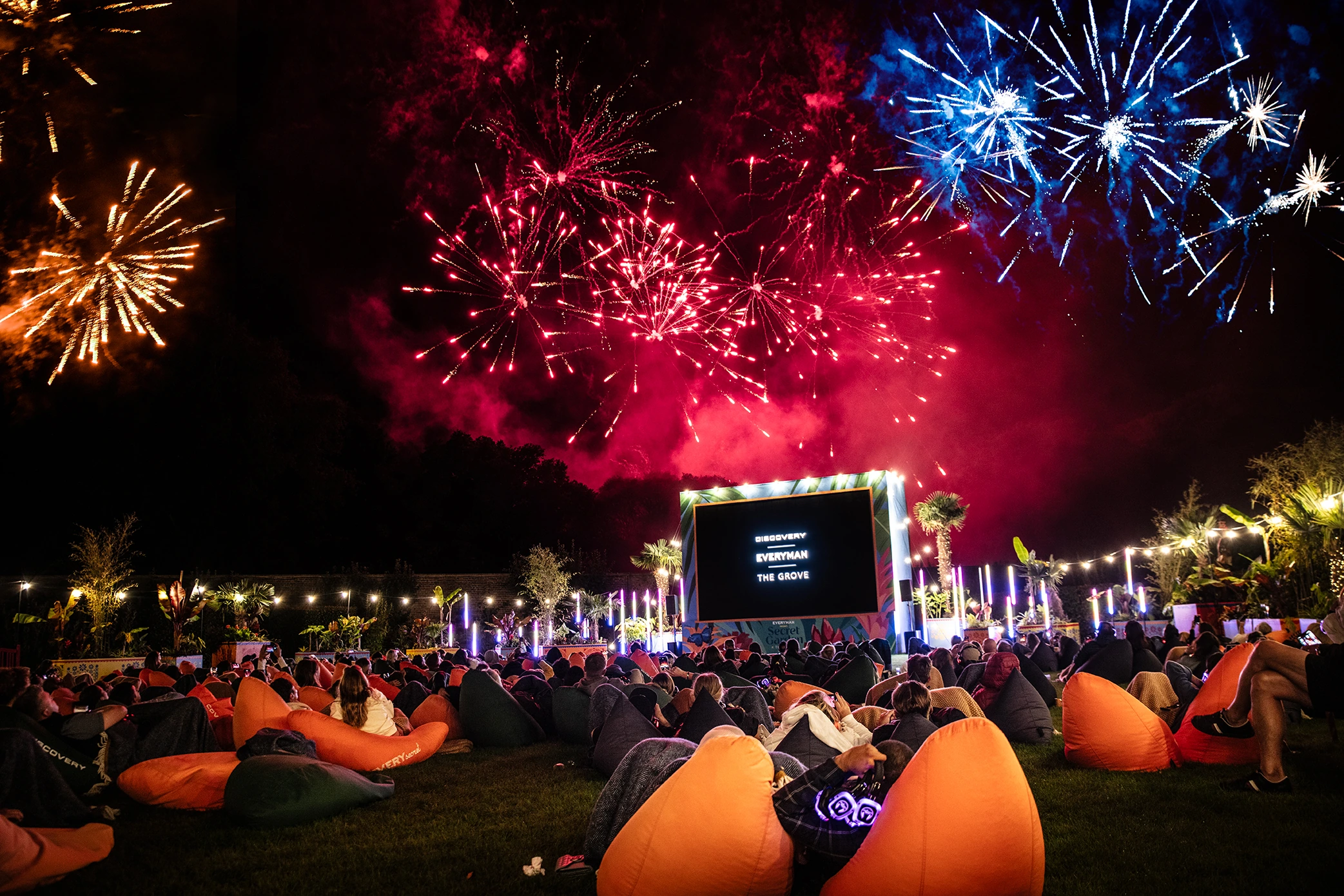
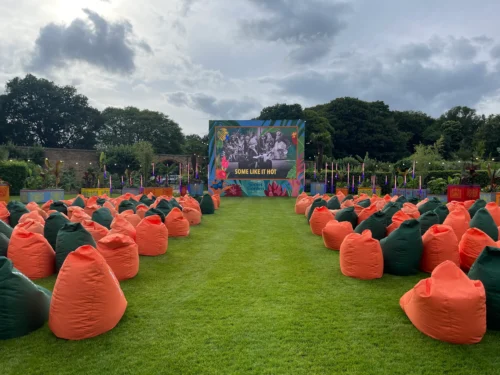
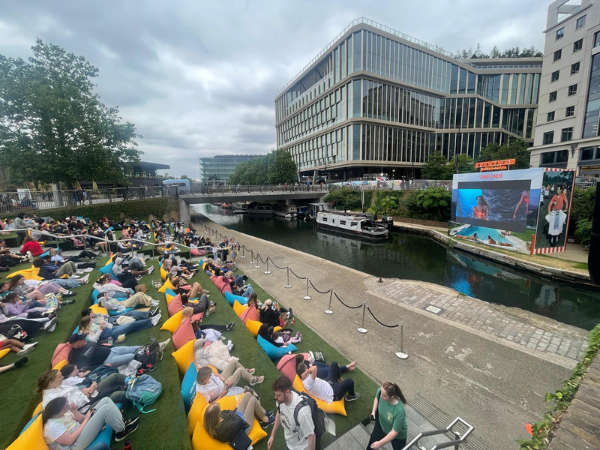
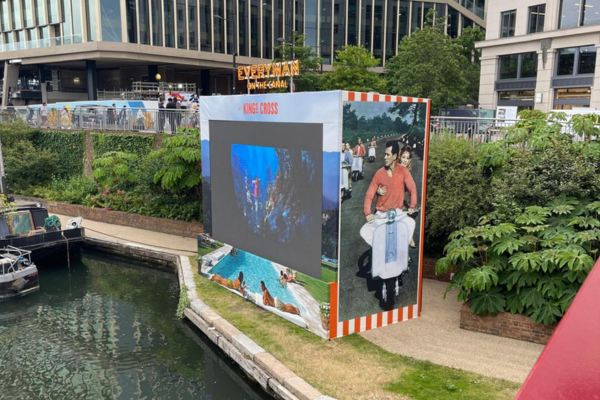
London’s most idyllic outdoor cinema, Everyman Screen on the Canal, returns to King’s Cross while Brentford’s Everyman on the Water kicks off it’s first year with a full programme of blockbusters and family favourites. Our rental outdoor screens, situated in these iconic London locations, showcase our commitment to excellence. These screenings are currently running, with King’s Cross ending in mid-August and Brentford continuing until the end of August. Best of all, these events are free for everyone to enjoy.

Everyman is redefining the cinema experience all over the UK – their outdoor activations are no different and we were tasked with providing uncompromised audio and video to the public who are turning up en masse. Through our meticulous planning and innovative solutions, we not only met but exceeded our clients’ needs and expectations.

The King’s Cross Everyman Cinema screen, located near Regent’s Canal, and the Brentford Project screen, situated by Brentford Dock, posed significant logistical challenges due to their waterfront settings. These locations required a careful and strategic approach to installation to mitigate potential water hazards. Our team conducted thorough site inspections and worked closely with our clients to ensure that all their requirements were met

Everyman have expressed immense satisfaction with the outcome. They are particularly pleased with our high-quality brand finish, the ability to address the site’s challenges effectively and deliver a high-quality, engaging experience from start to finish.

Whilst it’s fair to say we spend most of our time in hotel ballrooms and convention centres we also welcome the opportunity to work outside, even with the additional challenges it may bring. But with some considerations and willingness to push our own boundaries, our team smashed it. We couldn’t have done it without great teams to work with at our clients end and the sites where we were building – a real team effort resulting in a great event all round.

What Are the Uses of Outdoor Screens? Your Outdoor Screen Guide

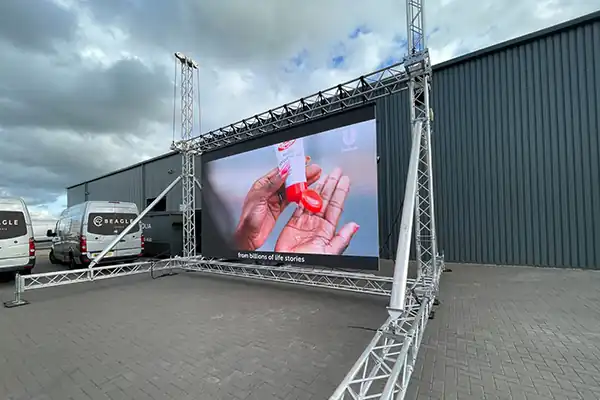
When it comes to outdoor screens there are two options you are faced with: LED and projection. LED screens are the right option for most commercial outdoor events. It comes down to a few factors:

With an LED screen:

  • The picture is more vivid
  • They are more versatile
  • They work in daylight / varying light conditions

With projection:

  • only suitable for events held at night, in the dark
  • often a much more cost-efficient solution


So, what events are LED outdoor screens used for?  

  • Concerts & Festivals – to show what’s going on on-stage to larger audiences
  • Outdoor cinemas – especially if they show during daylight hours where projection wouldn’t work
  • Fundraisers – outdoor screens can be used in a variety of ways at fundraisers, for example, advertising how to donate
  • Activism– outdoor screens offer a way to get a message out to a large number of people at once
  • Drive in conferences – these popped up overnight during covid but have been a positive ongoing benefit for many
  • Digital signage & advertising – often used at the same time, you can welcome and direct your customers whilst selling space to advertisers
  • Outdoor exhibitions  – stand out from the crowd and make your presence known with a vibrant display by your stand


What are the benefits of LED outdoor screens?

The benefits of an LED outdoor screen include:

  • High resolution, a clearer, more vivid picture – we stock a 3.9mm pitch outdoor screen which is largely considered great for inside events, let alone outdoors!
  • Versatile sizing – with a choice of modular panel sizes we can build any size you require
  • Wide viewing angle for large, fanned audiences
  • We rig our screens in a variety of ways – it can be built into scenic solutions and we also stock our own self supported rig which allows us to mechanically lower it should weather  become an issue
  • Fast to build up with our stock including 1m and 1/2m panels


Looking for an outdoor screen for your event?

Whether you’re looking to host the perfect outdoor cinema or get your message out there to a large audience, get in touch with us regarding your needs and we can find the solution for you. We have a stock of 3.9mm screen available for hire now. Get in touch here.

Renault Arkarna Car Launch

Ignition – Renault’s training partner – needed a covid-safe product launch that would live up to the innovative Arkana. Despite not having any in-person attendees and having limited studio space we delivered with an engaging and impactful virtual event. Read how below.

Ignition are a multi-award-winning specialist automotive agency, counting Renault UK as one of their client partners. They asked us to work with us to produce the UKJ product launch of Renault’s all new Arkana, voted UK’s Best Hybrid Car (when/by whom).

The event took place during covid restrictions which meant we were challenged with how to create an engaging product launch without having any in-person attendees.

To achieve a covid-safe product launch we worked closely with the Ignition team to create an interactive virtual event. It would be streamed live to the Renault dealer network so viewers could ask questions from home and have them answered in real-time – as if they were there in person.

During the event the car would be presented via a live stream to a virtual audience. Part of our remit was to design the studio this would take place in. It needed to be attractive for the viewers at home and deliver a dynamic look and feel; matching up to the innovative product Ignition were presenting.

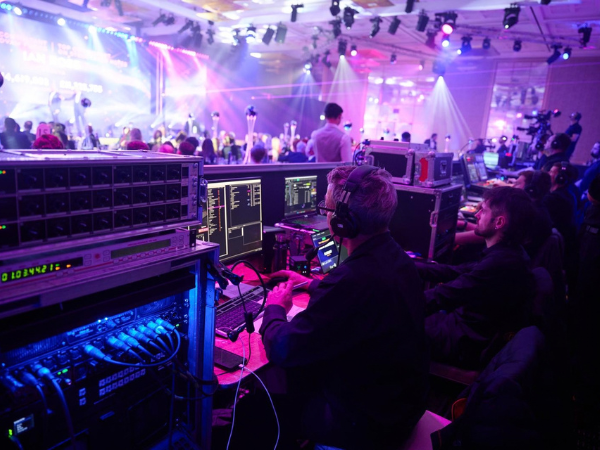
We needed to come up with a solution which would deliver for the viewers and logistically work in Ignition’s chosen location of the Concept Building at Millbrook Proving Ground in Bedfordshire. Taking into account social distancing for our team, presenters and clients, we needed to plan to the millimeter. We did this prior to the event using our CAD software and from this produced photographic-like visuals for our client to truly see what we can achieve for them.

The livestream took place three times a day over three days – and simply nothing could go wrong once we were live. But some careful planning, a few site visits, a team effort from us, our client Ignition and the venue and we were there.

The result was an impressive virtual event that showcased Renault’s all new product to the public, despite restrictions, in an interactive and engaging way.